

“Why would anyone ever use this product?“
If you’re building something new, I bet you’ve heard this more times than you’ve had hot dinners. And guess what? There’s a scientific reason behind it.
Enter the mere exposure effect.
The Harsh Truth
Here’s the deal: People like what they know.
Whether you’re buying gadgets, choosing software, or picking stocks, your success hinges on one thing: familiarity.
And yes, this applies even if your potential customers weren’t consciously paying attention.
The Builder’s Dilemma
Picture this:
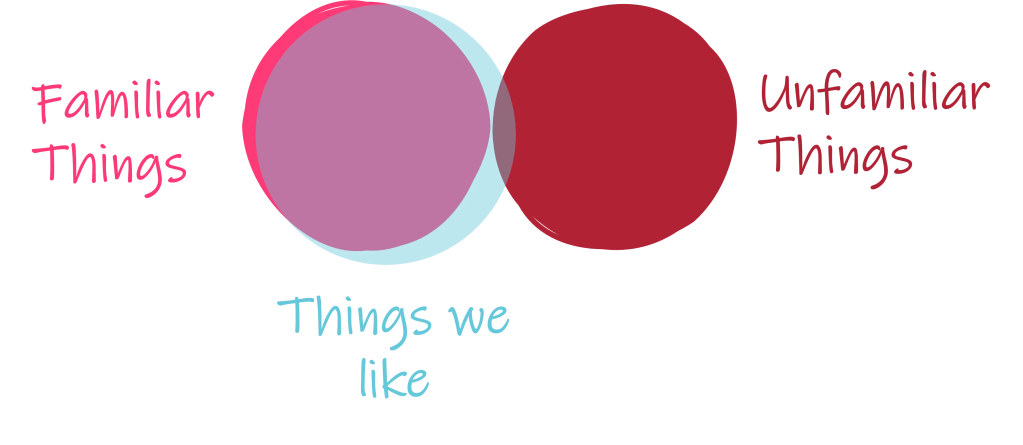
And here’s where your headache as a ‘builder‘ begins:
- Your product is new.
- People aren’t familiar with it.
- Therefore, people don’t like it. Yet.
When you’re pitching to investors, customers, or even your parents, they’re not really trying to understand.
They’re instinctively pushing back because your solution is unfamiliar.
Your job?
Convince them that your product is better than sliced bread and that it uniquely solves their problem.
Navigating the Waters
So, how do you navigate these murky waters when you’re starting from scratch? I’m still learning, but here are two key strategies that have helped me:
Strategy #1: Increase Exposure
Move from mere to prolonged exposure.
Use every tool in your arsenal:
- Blog posts (like this one)
- Social media marketing (yes, even TikTok)
- Display ads (be everywhere)
- Influencer partnerships (choose wisely, start with micro-influencers)
- Remarketing campaigns
- Good old-fashioned flyers (yes, they still work)
Strategy #2: Reduce Fear
Your product isn’t scary, but the unknown is.
Ease their minds:
- Onboard power users and showcase their success
- Enable easy sharing (make it viral-worthy)
- Offer freemium models or free trials (let them taste the goods)
- Don’t ask for credit card info upfront (nobody likes surprise charges)
- Have clear, customer-friendly return policies (safety net, anyone?)
- Make it dead simple to contact support (be there when they need you)
The Bottom Line
Understanding your target audience’s psychology and helping them understand your solution is more crucial than building a novel product.
Increase familiarity, and you’ll increase adoption.
Want more insights on startups, entrepreneurship, insurance, product design, and marketing? Subscribe below or follow me on LinkedIn or X (aka Twitter).
Disclaimer
The blog image is credited to Nigel Hoare at Unsplash.
 OGC Labs
Leave a Reply